
Ghana’s Government Champions Mobile Phone Repair Training to Empower Youth
In a dynamic push to address youth unemployment and meet the demands of a digital economy, the Ghanaian government is placing mobile phone repair training at the forefront of its technical and vocational education agenda. With smartphones being integral to daily life, the need for skilled repair technicians is soaring, and the government is seizing this opportunity to empower young Ghanaians with practical, market-relevant skills.
A Strategic Focus on Mobile Phone Repair
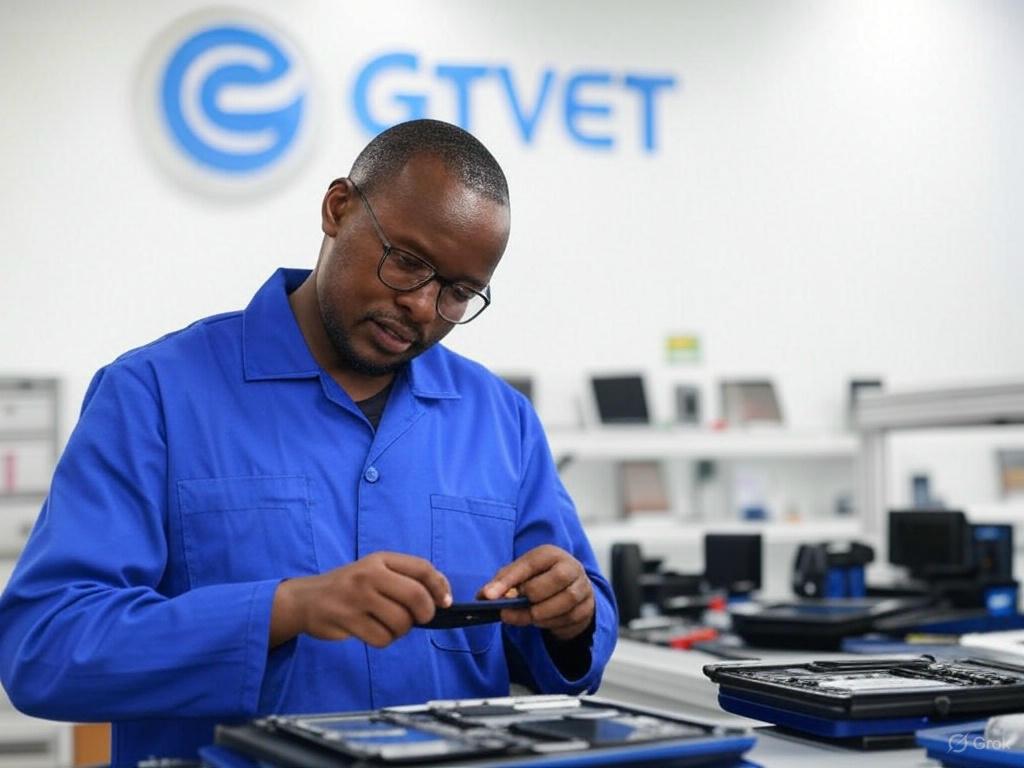
The government, through the Commission for Technical and Vocational Education and Training (CTVET), is integrating mobile phone repair into its broader Technical and Vocational Education and Training (TVET) framework. This aligns with Ghana Technical and Vocational Education and Training (GTVET) standards, ensuring that training programs meet national quality benchmarks. Recent initiatives, such as the Ghana Apprenticeship Programme (GAP), launched in November 2024, aim to train 50,000 individuals in competency-based skills, with mobile phone repair identified as a priority trade due to its high demand and entrepreneurial potential.
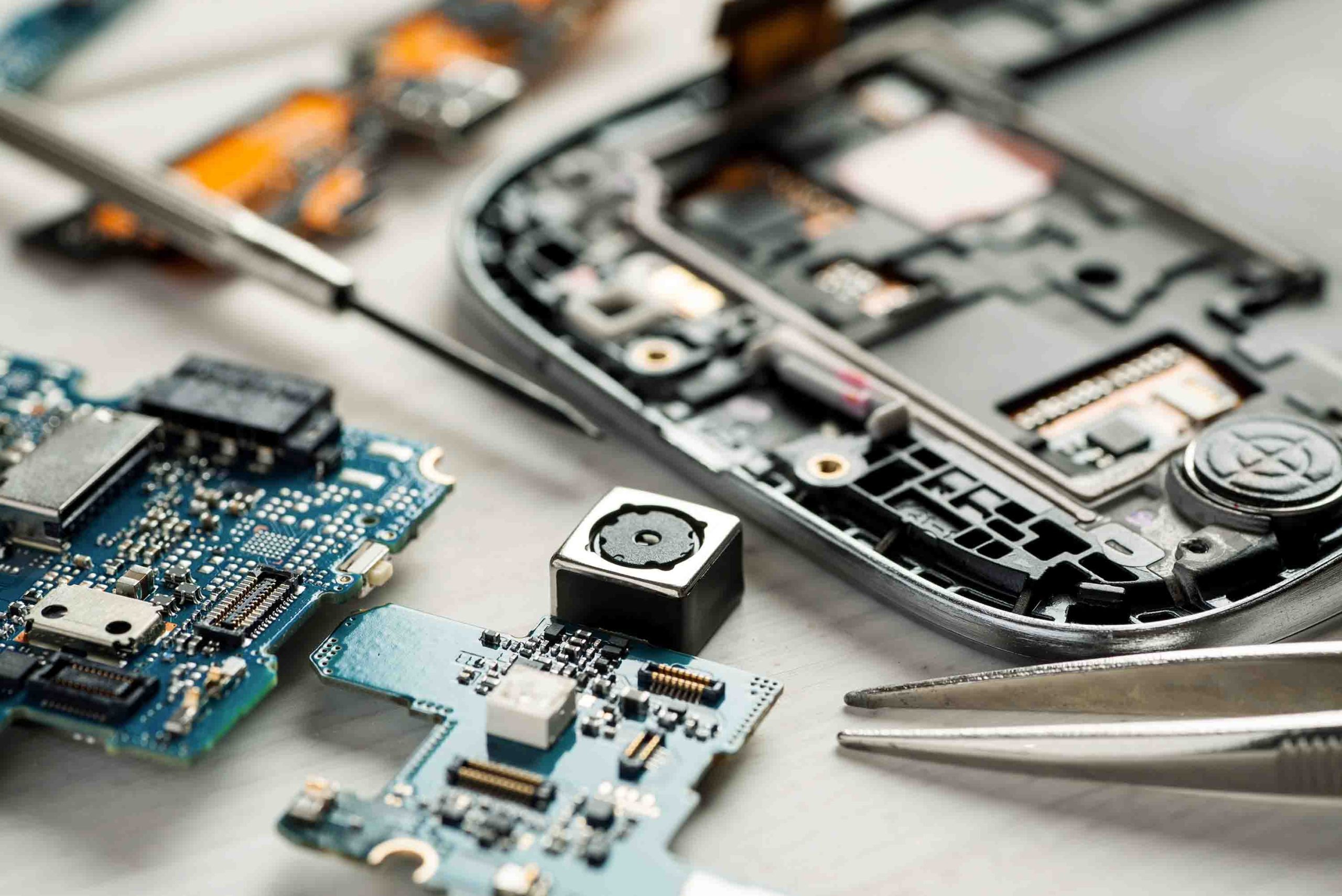
The GAP, supported by the World Bank under the Ghana Jobs and Skills Project (GJSP), emphasizes hands-on training that prepares youth for immediate employment or entrepreneurship. By developing 100 competency-based training (CBT) packages, including those for mobile phone repair, the government is ensuring that technicians gain expertise in diagnosing hardware issues, troubleshooting software problems, and using modern diagnostic tools—all critical skills for today’s smartphone-driven market.
Bridging Industry and Skills
To make training responsive to industry needs, the government is fostering collaboration between training providers, employers, and the informal sector. For instance, programs like the one offered by Ghana Communication Technology University’s Centre for Technical Education and Training (CTET), launched in April 2024, provide four-month courses in mobile phone assembling and repairs. These courses are designed to equip participants with both technical proficiency and certification, bridging the gap between industry requirements and workforce capabilities.
The government’s modernization efforts also include upgrading training facilities. The Ghana-China Project, completed in 2024, has equipped technical institutes with industry-standard workshops for disciplines like electrical and electronics engineering, which support mobile phone repair training. Such investments ensure that trainees have access to state-of-the-art tools and environments, enhancing the quality of education.
Empowering Youth and Driving Innovation
Mobile phone repair training is more than a technical skill—it’s a pathway to economic empowerment. The government’s focus on this trade is particularly impactful for Ghana’s youth, who face high unemployment rates. By providing startup grants and entrepreneurship training through initiatives like the GJSP, the government is enabling young technicians to launch their own repair businesses, fostering innovation and reducing reliance on traditional job markets.
The success of individuals like Malfred Kwame Kudu, a Kumasi-based iPhone technician who went viral for his skills, underscores the potential of this sector. His recognition by government officials highlights how mobile phone repair can elevate young Ghanaians to national prominence, inspiring others to follow suit.
A Vision for the Future
The government’s commitment to mobile phone repair training is part of a broader vision to transform Ghana’s economy through skills development. By aligning programs with GTVET standards and investing in infrastructure, the government is ensuring that technicians are not only skilled but also globally competitive. As these initiatives roll out, expect to see more young Ghanaians turning their passion for technology into thriving careers.
What do you think about the government’s focus on mobile phone repair training? Share your thoughts below and let’s discuss how this can shape Ghana’s tech future!